
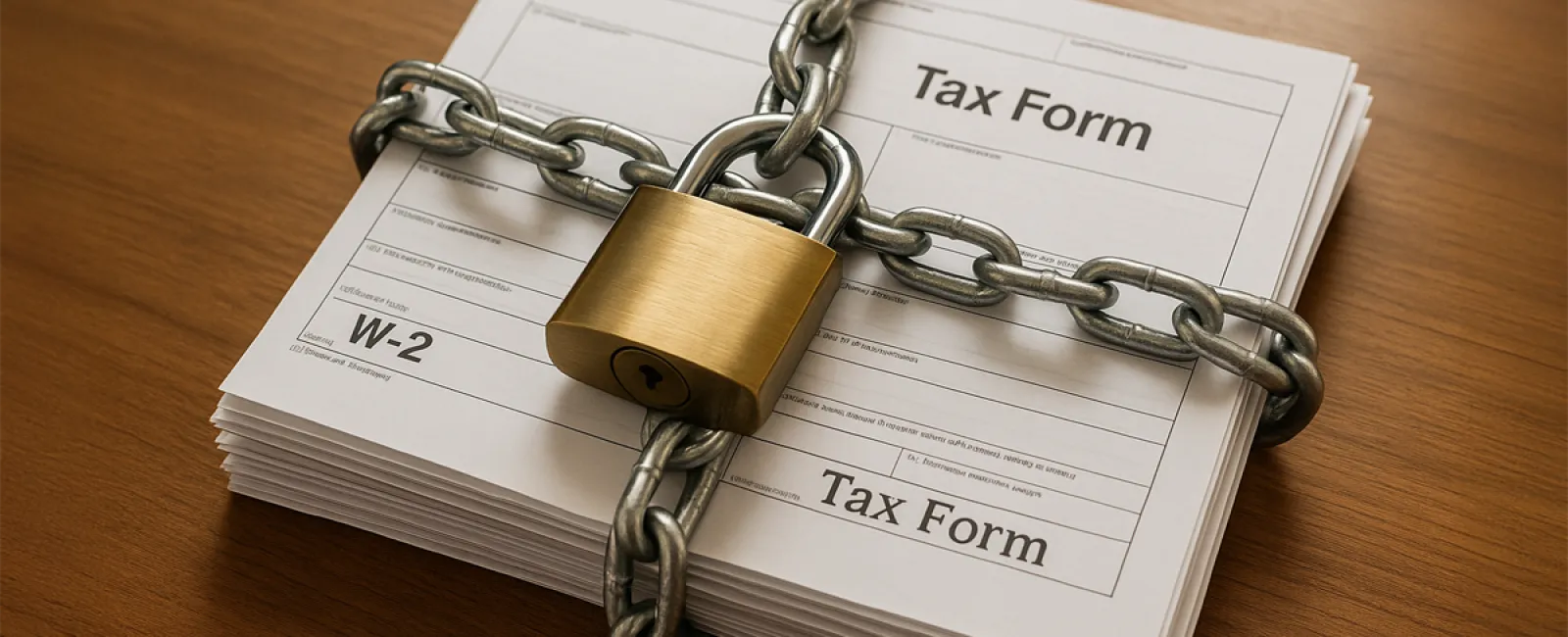
It's February, and tax season is in full swing. Your accountant is juggling more clients, while your bookkeeper is scrambling to gather essential documents. Everyone is focused on preparing W-2s, 1099s, and meeting critical deadlines.
But here's the hidden challenge that rarely makes it onto your schedule: the first major tax-season headache isn't a form—it's a sophisticated scam.
This scam arrives early, often before April, because it's cleverly designed, easy to execute, and targets small businesses directly. It might already be lurking in one of your team members' email inboxes.
The W-2 Scam Exposed: How It Operates
Here's the typical scenario:
A member of your staff—usually in payroll or HR—receives an urgent email that appears to be from the CEO, owner, or another executive.
The request is brief and pressing:
"I need copies of all employee W-2s for a meeting with the accountant. Can you send them over immediately? I'm swamped today."
The message seems legitimate. The tone sounds genuine, the timing feels appropriate, and the request is perfectly reasonable during tax season.
So, the employee complies and sends the W-2s.
But the truth is, the email isn't from the CEO—it's from a cybercriminal using a spoofed email address or a nearly identical domain.
Now, that criminal has access to every employee's:
• Full legal name
• Social Security number
• Home address
• Salary details
Everything needed to commit identity theft and submit fraudulent tax returns before your employees have a chance.
Consequences That Follow
Typically, victims discover the fraud when:
An employee files their tax return, only to have it rejected with the message: "Return already filed for this Social Security number."
Someone else has already filed using their identity and claimed the refund.
This leaves your employee to wrestle with the IRS, credit monitoring services, and lengthy identity theft protection procedures—all triggered by a message they never should have answered.
Now scale that risk across your entire payroll. Imagine the fallout when explaining to your staff that their personal data was compromised due to a deceiving email.
This isn't just a cybersecurity breach—it damages trust, creates HR complications, invites potential lawsuits, and tarnishes your company's reputation.
Why This Scam Is So Effective
This scam doesn't resemble a blatant "Nigerian prince" trick. At first look, it appears perfectly legitimate.
Its success stems from:
- Perfect timing: Requests for W-2s are expected in February, so no one questions their legitimacy.
- Reasonable asks: Unlike demands for wire transfers or gift cards, this request fits seamlessly into tax season activities.
- Natural urgency: Phrases like "I'm slammed today, can you send this quickly?" seem typical during busy periods.
- Legitimate appearance: Cybercriminals research your company and impersonate executives by spoofing email addresses or domains.
- Employee helpfulness: Staff want to assist leadership promptly, making them more likely to comply without verification.
Proactive Steps to Shield Your Business
The bright side? This scam is entirely preventable through proper policies and fostering a security-conscious culture—not just advanced technology.
Implement a strict "no W-2s sent via email" rule—no exceptions. Sensitive payroll documents must never leave your organization as email attachments. If anyone requests such data via email, respond firmly with "no," even if the email appears to come from a top executive.
Always verify sensitive requests through another communication channel—call, face-to-face, or authorized chat platforms. Never reply directly to the email or use contact info provided within. It only takes seconds, but can prevent months of costly remediation.
Schedule a brief 10-minute meeting with your payroll and HR teams immediately. Educate them about the spike in tax scams, how to identify them, and the correct response protocols. Awareness is your best low-cost defense.
Secure payroll and HR systems with Multi-Factor Authentication (MFA) to add an extra layer of access protection. If credentials are compromised, MFA blocks further breaches.
Champion a culture of verification rather than fear. Encourage employees to double-check unusual requests from leadership and praise their diligence. When skepticism is rewarded, scams rarely succeed.
These five straightforward rules can be put into action this week and are powerful enough to block initial waves of attacks.
The Broader Threat Landscape
The W-2 scam is merely the beginning.
Leading up to April, anticipate a surge of tax-related cyber threats, including:
• Fake IRS notices demanding immediate payment
• Phishing campaigns masquerading as tax software updates
• Spoofed emails from "your accountant" containing harmful links
• Fraudulent invoices disguised as tax-related expenses
Tax season's hectic pace and financial transactions make it an ideal time for criminals to exploit distractions and appearances of legitimacy.
Organizations that emerge unscathed are not lucky—they're prepared with robust policies, ongoing training, and effective systems designed to catch suspicious activities before disaster strikes.
Is Your Business Prepared?
If you already have protective policies and an informed team, you're ahead of many small businesses.
If not, now is the critical moment to act—before the first scam hits.
If this describes your business, consider scheduling a quick 15-minute Tax Season Security Check.
During this review, we'll assess:
• Payroll and HR access controls with MFA implementation
• Verification procedures for W-2 requests
• Email security measures to detect and block spoofing
• Key policy adjustments that many businesses overlook
If this doesn't fit your business now, that's excellent—but perhaps you know someone it affects. Share this article to help protect others from costly consequences.
Click here or give us a call at (419) 522-4001 to schedule your free 15-Minute Discovery Call.
Because tax season is stressful enough—don't let identity theft make it worse.


